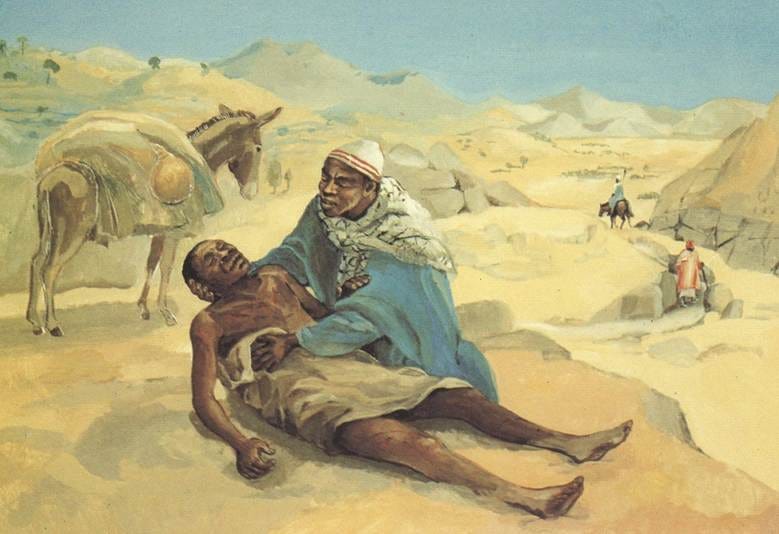
On Palm Sunday I participated with 460 other believers in Bismarck, North Dakota for the Palm Sunday Path. Our intention was to replicate Jesus’ entrance into Jerusalem for Holy Week and affirm the values He taught in the Parable of the Sheep and Goat (Matthew 25:31-46) to feed the hungry, heal the sick, and welcome the stranger. (You can see news of the day at North Dakota Monitor or KFYR.) Three brief inspirational sermons were given. I will feature each one for the next three weeks. Last week, I featured Sister Kathleen Atkinson, the founder of Ministry on the Margins. This week I am featuring Jasmine Tambo Tosseth-Smith, the Executive Director of Global Neighbors.
Jasmine Tambo Tosseth-Smith
Following is Jasmine’s sermon,
Good afternoon.
Today we remember a parade.
Not a parade with floats and marching bands. Not one shaped by power or prestige.
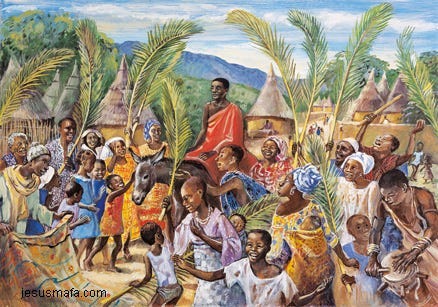
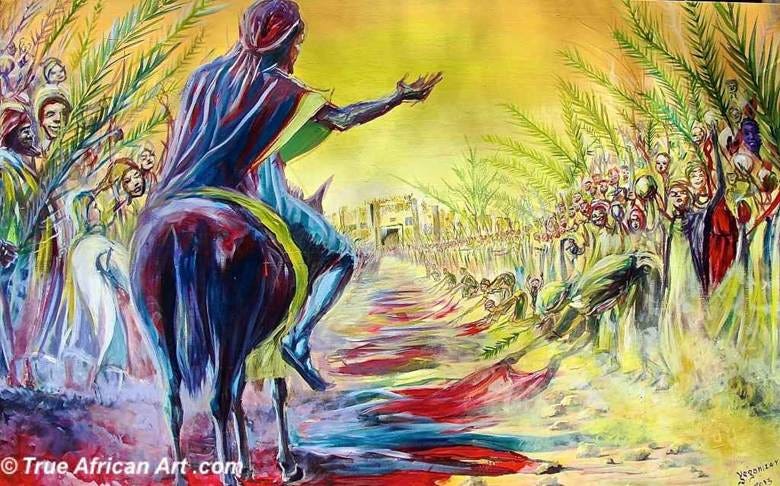
A dusty road. A borrowed donkey. And a crowd of ordinary people waving palm branches and shouting, “Hosanna.”
Hosanna means, “Save us.”
And I’ve been thinking about that word this week.
Save us… from what?
Because the people shouting that day believed they needed saving from Rome. From oppression. From everything that felt uncertain and threatening.
And into that fear, Jesus did something unexpected.
He did not ride in on a war horse. He did not come with an army.
He rode in humbly. Gently. Peacefully.
He chose vulnerability over domination. He chose proximity over power. He chose people.
And I think that matters right now.
Because we are living in a time when fear travels fast. When headlines move quicker than relationships. When it is easier to form an opinion about someone than to actually know them.
And in seasons like this, the real danger isn’t just disagreement.
It’s dehumanization.
When we lose our humanity, we lose ourselves.
And when we lose our humanity, we discredit our own history as North Dakotans.
This state was built by people who came from somewhere else.
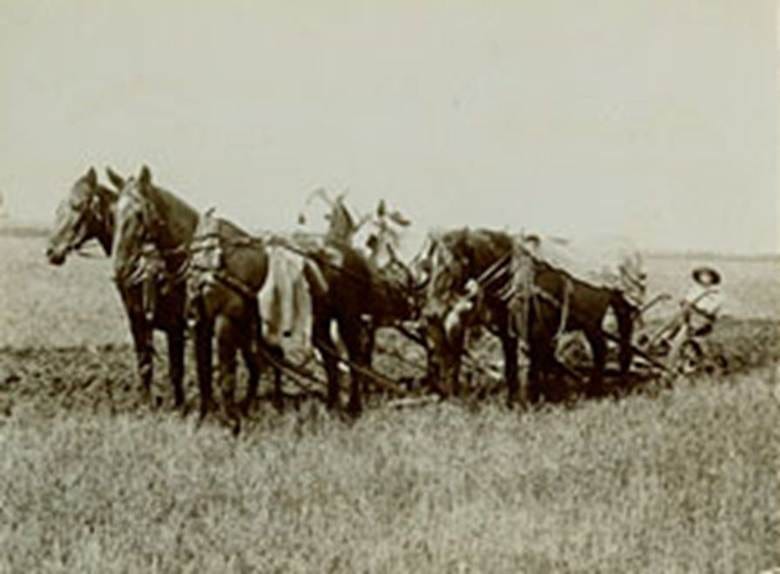
Families who arrived with accents. Families who brought unfamiliar food, unfamiliar customs, unfamiliar ways of life. Families who worked the land, endured brutal winters, and built something together.
At some point, someone could have looked at them and said, “They don’t belong here.”
But instead, they became neighbors. They became church members. They became the fabric of this place.
And today, we are still shaped by newcomers.
As a pastor, I cannot ignore that Scripture tells this same story.
Abraham left his homeland. Moses fled violence. Ruth crossed borders and built a new life. And Jesus Himself, as a child, was carried into Egypt as a refugee.
The story of God has always included the stranger.
And over and over again, Scripture says, “Remember you were once strangers.”
Not as a political statement.
As a heart check.
Remember what it feels like to need mercy. Remember what it feels like to need someone to make room.
Because when we forget, our hearts get smaller.
And when our hearts get smaller, our language follows.
There is a way of talking about people right now that reduces them before we ever meet them. Labels before names. Assumptions before relationships.
And I want to say this clearly:
We do not have to agree on everything to agree on this— Human dignity is not optional.
Every person bears the image of God.
In my work with resettled families, I have had the privilege of sitting at kitchen tables with people who have lost almost everything.
I have met mothers learning English while working long hours and still showing up for their children. I have met fathers rebuilding their lives from the ground up after losing careers, homes, and communities. I have met children navigating two worlds at once — translating, adapting, excelling.
These are not issues to debate.
These are neighbors.
I have watched families plant gardens in North Dakota soil because it reminds them of home. I have watched newcomers serve and give back to communities that weren’t always sure about them.
Their resilience is not something to fear.
It is something to honor.
And here is what I know:
When we reduce people to categories, we shrink our own souls.
When we speak about immigrants as if they are problems before they are people, something inside of us erodes.
We may think we are protecting something.
But if we lose our humanity in the process, we have not protected anything at all.
Palm Sunday reminds us of the kind of King we follow.
A King who did not build walls to keep people out of His presence.
He built tables.
He touched the outsider. He spoke across boundaries. He moved toward people others avoided.
And when the crowd shouted “Hosanna,” they wanted a Savior who would defeat their enemies.
Instead, they got a Savior who redefined who their neighbor was.
That is harder.
It is easier to form opinions from a distance. It is harder to build relationships up close.
But that is the path Jesus chose.
And it is the path we are invited to walk.
As North Dakotans, we value being neighborly. We show up. We help when it matters.
Let’s not lose that.
Let’s not forget that someone once made room for those who came before us.
Today, maybe “Hosanna” means something deeper for us.
Maybe it means:
Save us from fear that makes us smaller. Save us from language that strips dignity. Save us from forgetting who we are.
And maybe it also means:
Use us.
Use us to build bridges. Use us to see people clearly. Use us to ensure that every person in this community knows they matter.
Because the foreign-born neighbors among us are not interruptions to our story.
They are part of it.
And when we choose humanity — when we choose dignity, compassion, and courage — we don’t lose anything.
We become more fully who we were meant to be.
Hosanna.
Save us
All of us.
Amen.
On Jasmine’s theme of shared humanity and her ministry to New Americans three articles caught my attention in the last several weeks
The New York Times ran an article on ICE Agents Detain Newlywed Spouse of Soldier Training to Deploy.
The Atlantic ran an article on how the American Catholic Church is shifting from abortion being the primary political issue to address to seeing immigration as the primary concern.
The New York Times ran an article on how current immigration policies are creating a shortage of doctors. This particularly affects rural areas.
Thanks for reading! This post is public so feel free to share it.